With Humboldt, you get:
- High-quality gauges, built to take a beating
- Truly, field serviceable with parts readily available
- Third-party calibration with no added costs
- Exceptional calibration, leak test and repair service
Frequently Asked Questions
1. What is a Nuclear Density Gauge?
A Nuclear Density Gauge is a testing instrument used to measure the in-place density and moisture content of soil, aggregate, asphalt and other construction materials. It uses gamma radiation and neutron technology to obtain measurements without conventional laboratory sampling.
2. Where can I find a Nuclear Density Gauge supplier in India?
Avantech Engineering Consortium Pvt. Ltd. supplies Humboldt Nuclear Density Gauge equipment, including the HS-5001SD model, for construction material testing, road projects, soil compaction assessment and infrastructure quality control.
3. What is the Humboldt HS-5001SD Nuclear Density Gauge used for?
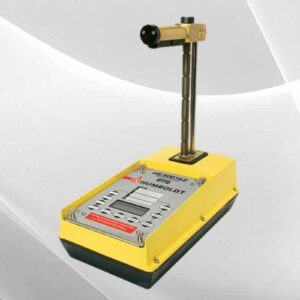
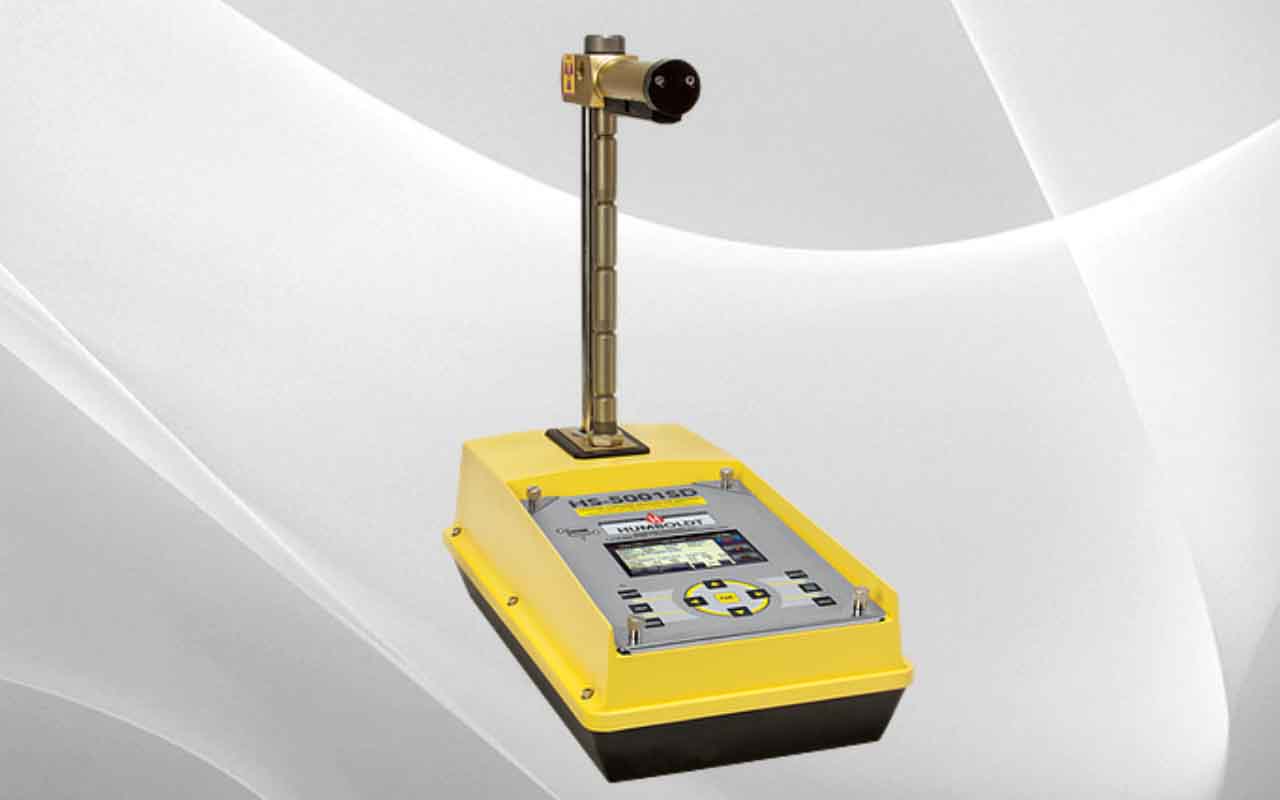
The Humboldt HS-5001SD is used to determine the in-place density and moisture content of construction materials. It supports soil compaction testing, asphalt density measurement, road construction quality control and geotechnical investigations.
4. How does a Nuclear Density Gauge measure soil density?
A nuclear density gauge uses gamma radiation to evaluate material density through radiation attenuation and neutron technology to estimate moisture content. Its microprocessor processes the measurements and calculates the corresponding density and moisture values.
5. Can the HS-5001SD be used for soil and asphalt testing?
Yes. The HS-5001SD is designed for density and moisture measurements in construction materials, including soil, aggregate and asphalt. The appropriate measurement mode and calibration should be selected according to the material and testing application.
6. What are the advantages of the Humboldt HS-5001SD Nuclear Density Gauge?
The HS-5001SD features a 4.3-inch touchscreen, electronic data collection, measurement processing, field-serviceable construction and built-in testing functions. It supports efficient on-site testing and documentation for construction quality control.
7. What safety requirements apply when using a Nuclear Density Gauge in India?
Nuclear density gauges contain sealed radioactive sources and must be handled by authorized users under applicable Atomic Energy Regulatory Board (AERB) requirements. Registration, radiation safety training, secure storage, transportation and source disposal procedures must be followed. Always consult the relevant AERB requirements before procurement and use.