
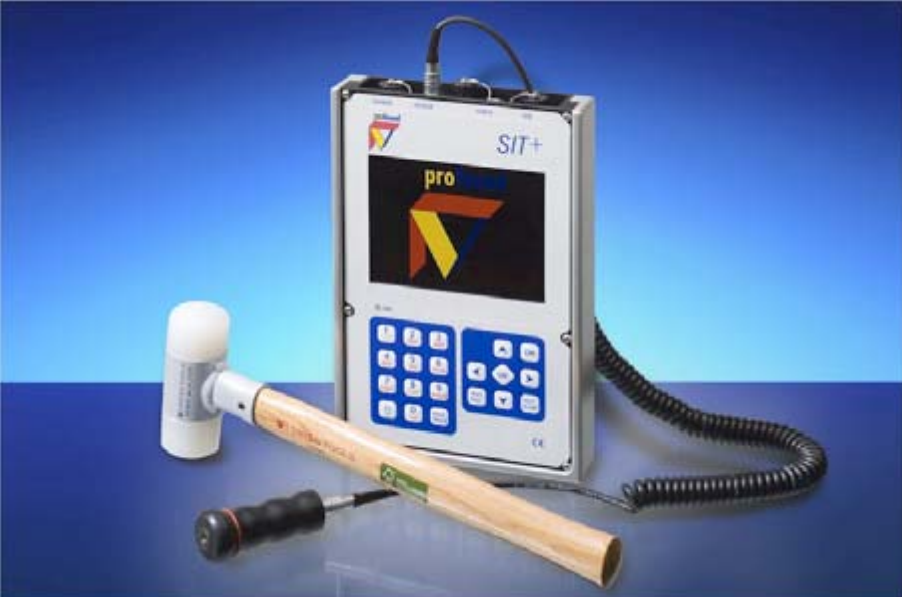
In the realm of construction and civil engineering, ensuring the structural integrity of foundations is of paramount importance. Any compromise in the foundation’s quality can lead to catastrophic consequences. Pile integrity testers, a crucial tool in the construction industry, play a vital role in assessing the condition and quality of piles. In this article, we’ll explore the significance of pile integrity testers and how they contribute to the safety and reliability of structures.
What Is a Pile Integrity Tester?
A pile integrity tester is a sophisticated and non-destructive testing instrument designed to assess the quality and integrity of deep foundation elements, such as piles and drilled shafts. These foundations provide essential support for structures like bridges, buildings, and other civil engineering projects. A small defect or imperfection in a foundation element can lead to structural instability, making the need for accurate and reliable testing paramount.
How Does a Pile Integrity Tester Work?
Pile integrity testing involves the use of acoustic or ultrasonic waves to assess the structural integrity of a pile. Here’s how it works:
- Signal Generation: The tester emits an acoustic signal, typically in the form of a stress wave, into the pile.
- Wave Reflection: The stress wave travels through the pile, reflecting off any anomalies or defects it encounters. These anomalies can include cracks, voids, or variations in concrete density.
- Data Collection: Sensors on the surface of the pile receive the reflected waves, and the tester records the time taken for the waves to return.
- Analysis: The data collected is then analyzed to identify irregularities and assess the pile’s condition. A comprehensive evaluation helps determine the pile’s quality and its ability to bear the structural load.
Key Benefits of Pile Integrity Testing
Pile integrity testing offers a multitude of benefits, contributing to the safety, longevity, and cost-efficiency of construction projects. Here are some key advantages:
- Quality Assurance: Pile integrity testing ensures that each foundation element meets the required quality standards. This helps in reducing the risk of structural failures and ensuring the longevity of the structure.
- Early Defect Detection: By identifying defects and anomalies early in the construction process, necessary corrective actions can be taken promptly, reducing the likelihood of costly repairs or replacements in the future.
- Data-Driven Decision Making: The data obtained from pile integrity testing provides engineers and contractors with valuable insights, allowing them to make informed decisions about the structural integrity of the pile.
- Safety Enhancement: Ensuring the structural soundness of foundations is crucial for safety. Pile integrity testing contributes to a safer environment by identifying potential issues before they become hazards.
- Cost Savings: Early detection and correction of defects can significantly reduce construction costs by eliminating the need for expensive repairs or replacements.
Optimizing the Pile Integrity Tester
For optimal results, it’s essential to choose the right pile integrity tester and employ it effectively. Consider the following when optimizing the use of a pile integrity tester:
- Choose the Right Equipment: Select a reliable and accurate pile integrity tester from a reputable manufacturer. Ensure it meets industry standards and has a proven track record of performance.
- Skilled Operators: Training and certification for those operating the tester are crucial. Skilled operators can obtain more accurate results and effectively interpret the data.
- Regular Maintenance: Keep the testing equipment well-maintained to ensure its accuracy and longevity.
- Integrate Data Analysis: Utilize advanced software for data analysis, which can provide detailed insights into the condition of foundation elements.
Conclusion
Pile integrity testing plays a vital role in ensuring the structural integrity of deep foundations. By detecting defects and anomalies early in the construction process, it contributes to the safety, longevity, and cost-efficiency of construction projects. As an indispensable tool in the construction industry, the pile integrity tester helps create a foundation for reliable and secure structures. When it comes to construction, investing in the integrity of foundations is investing in the safety and durability of the future. With the help of a pile integrity tester, we can build with confidence.
Frequently Asked Questions
1. What is a Pile Integrity Tester?
A Pile Integrity Tester is a non-destructive testing instrument used to evaluate the continuity and structural condition of foundation piles. It uses low-strain impact testing to identify potential anomalies such as cracks, necking, voids and changes in pile cross-section.
2. What is a Pile Integrity Test?
A Pile Integrity Test (PIT), also known as a Low Strain Integrity Test or Sonic Echo Test, is a non-destructive method used to assess the integrity of concrete piles. A small hammer impact generates a stress wave, while a sensor records the pile’s response for analysis.
3. How does a Pile Integrity Tester work?
The tester works by applying a light impact to the pile head using a hand-held hammer. An accelerometer records the response of the pile as the stress wave travels through the foundation and reflects from changes in the pile. The recorded signals help engineers identify possible defects and estimate pile length where conditions permit.
4. What defects can be identified through pile integrity testing?
Pile integrity testing can help identify potential anomalies such as:
- Major cracks
- Necking or reduction in pile cross-section
- Bulging
- Voids and soil inclusions
- Changes in pile continuity
The identification and interpretation of anomalies depend on pile conditions, test quality and engineering assessment.
5. Which piles can be tested using a Pile Integrity Tester?
Low-strain pile integrity testing is commonly used for bored piles, drilled shafts, cast-in-situ concrete piles and driven concrete piles. Suitability depends on pile material, geometry, accessibility and testing conditions.
6. Can a Pile Integrity Test determine the load-bearing capacity of a pile?
No. A conventional low-strain Pile Integrity Test evaluates pile continuity and identifies potential structural anomalies. It does not directly determine the load-bearing capacity of a pile. Static or dynamic pile load testing is required for load-capacity evaluation.
7. Where can I get a Pile Integrity Tester or Pile Integrity Test Services in India?
You can contact Avantech Engineering Consortium Pvt. Ltd. for information about Pile Integrity Testing Equipment, product specifications and pile foundation testing requirements. Contact the team to discuss equipment availability and service requirements.

