- Reducing the risk of damage to the pile or hammer.
- Reducing the risk of damage to the superstructure caused by failure of the foundation.
- Optimisation of the final depth of driving, which may result in a shorter pile length.
- Facilitating the prediction of pile driving and selection of the correct hammer for future projects. A quality record of each pile can be supplied to clients and authorities.
Frequently Asked Questions
1. What is Pile Dynamic Load Test Equipment?
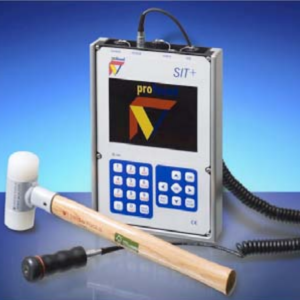
Pile Dynamic Load Test Equipment is used to evaluate the bearing capacity and performance of piles by analysing the stress waves generated during an impact. It helps determine pile resistance, shaft friction, toe resistance and possible pile defects.
2. What is the purpose of a Pile Dynamic Load Test?
A Pile Dynamic Load Test evaluates the load-bearing capacity and structural behaviour of foundation piles. It helps engineers assess pile performance and verify whether piles meet project requirements.
3. How does Pile Dynamic Load Test Equipment work?
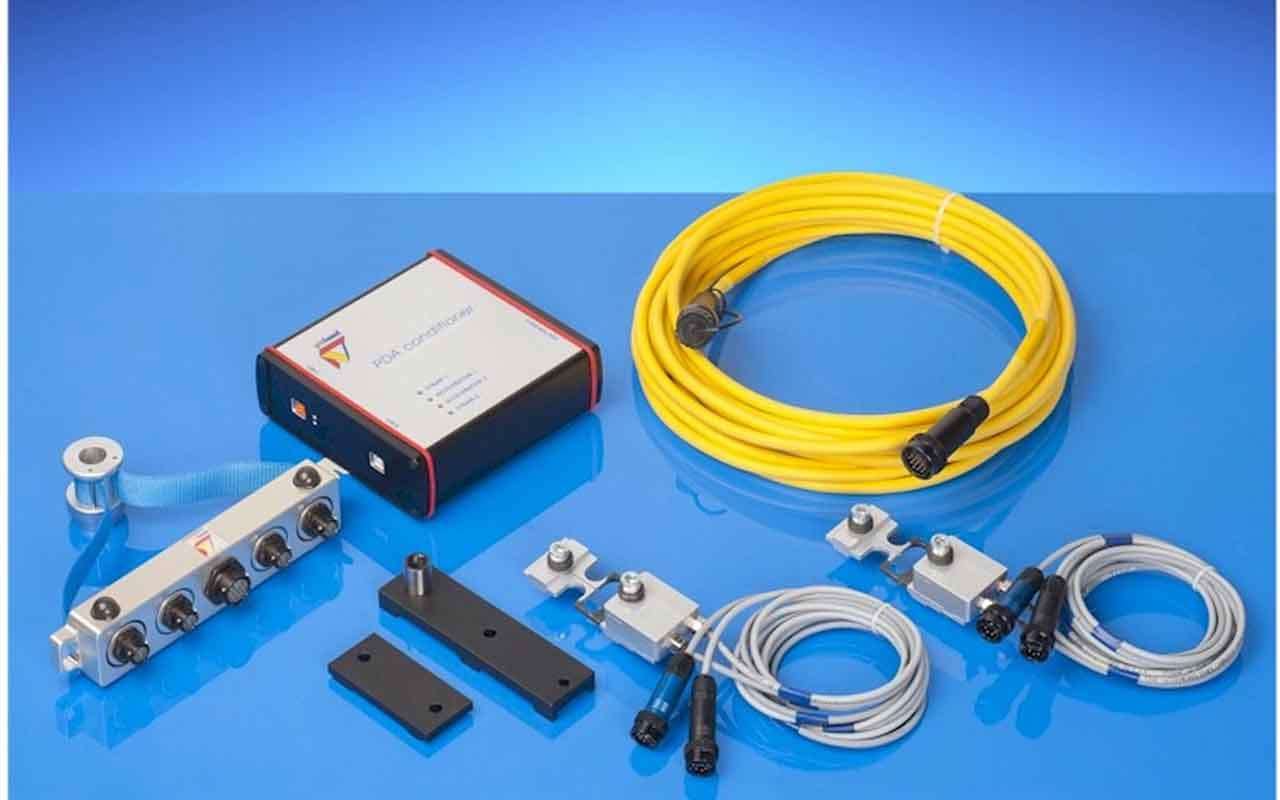
The equipment uses sensors attached to the prepared pile head to measure strain and acceleration during an impact from a hammer or suitable drop weight. The collected signals are analysed to evaluate pile capacity and resistance.
4. What is the difference between PDA testing and Dynamic Load Testing?
Pile Driving Analysis (PDA) monitors pile behaviour during driving, including hammer performance and soil resistance. Dynamic Load Testing (DLT) evaluates the bearing capacity of an installed pile using an impact-generated stress wave.
5. Which types of piles can be tested using PDA/DLT equipment?
PDA/DLT equipment can be used for cast-in-place concrete piles, precast concrete piles and different types of steel piles, subject to suitable testing arrangements.
6. What information does Pile Dynamic Load Test Equipment provide?
The equipment helps evaluate pile bearing capacity, shaft friction, toe resistance, pile stresses, driving resistance and potential pile defects through the analysis of measured signals.
7. Is Dynamic Load Testing faster than Static Load Testing?
Yes. Dynamic Load Testing is generally faster and more cost-effective than conventional Static Load Testing. It can allow multiple piles to be assessed within a single day, depending on site conditions and testing requirements.
8. Which standard is followed for Dynamic Load Testing of piles?
Dynamic pile testing can be performed in accordance with ASTM D4945, subject to the applicable edition and project specifications.