Boundary Conditions
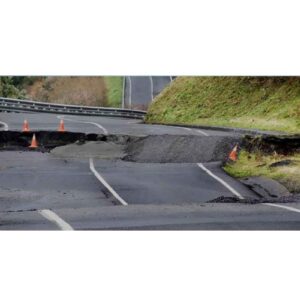
SEEP/W supports a range of boundary condition options. Field data or user-specified functional relationships can be inputted to define hydrographs, reservoir fluctuations, rainfall cycles, vegetation effects, or land-climate interactions.Integration
Integration of SEEP/W with SLOPE/W makes it possible to analyze the stability of any natural or man-made system subject to transient changes in pore-water pressure. Seamlessly combine SEEP/W and SEEP3D, to analyze 2D and 3D groundwater flow in the same project file.Material Properties
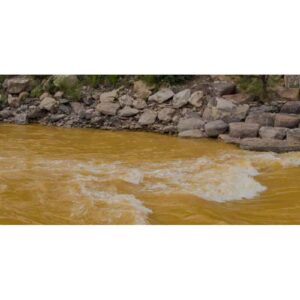
Hydraulic conductivity and volumetric water content functions can be estimated using built-in functions. The estimation process requires only fundamental information. A saturated-only material model is also available..engSaturated/Unsaturated
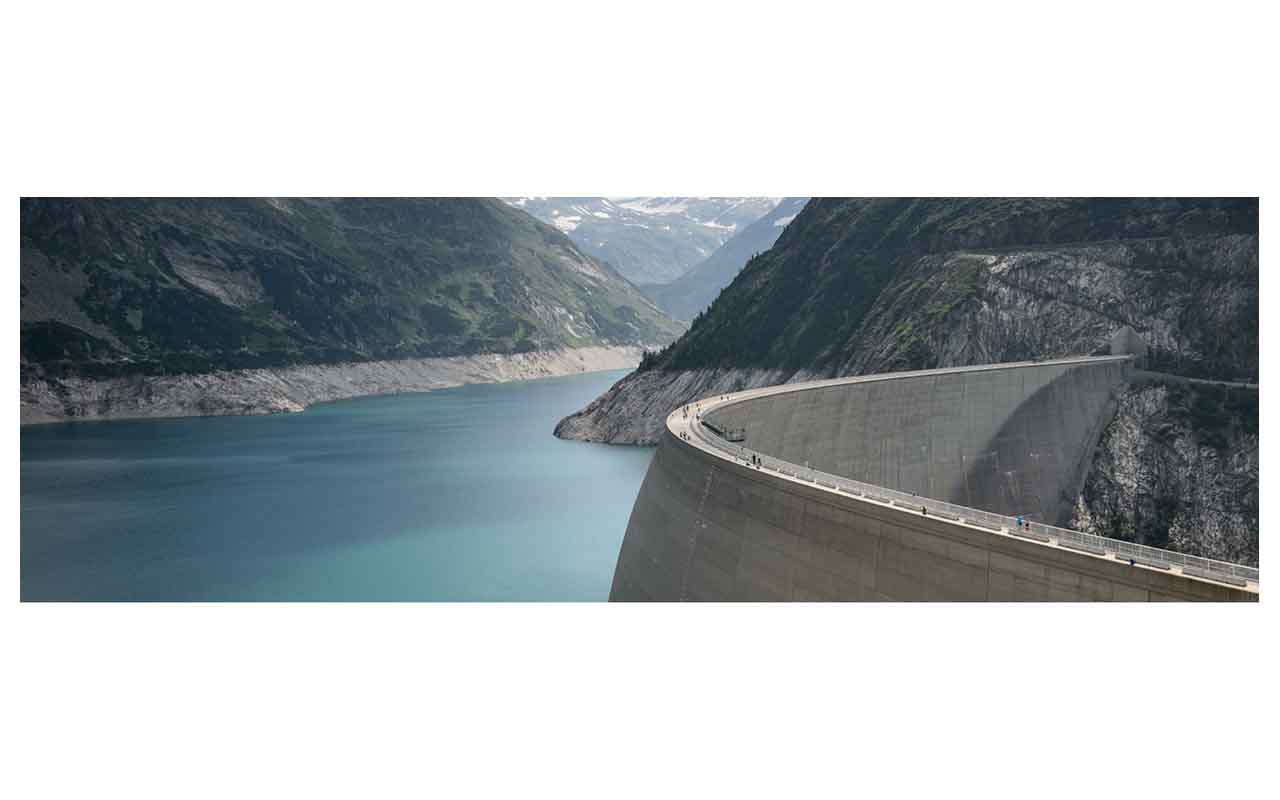
The rigorous saturated/unsaturated formulation of SEEP/W means that even the most demanding flow problems, such as infiltration into dry soil or seepage through complex upstream tailings dams, can be analyzed with ease.Frequently Asked Questions
1. What is Groundwater Seepage Analysis Software?
Groundwater Seepage Analysis Software is used to model the movement of water through soil, rock and other porous materials. It helps geotechnical engineers study groundwater flow, pore-water pressure distribution and seepage behaviour under different site conditions.
2. What is SEEP/W software used for?
SEEP/W is finite element software designed to analyse groundwater flow through porous materials. It helps engineers evaluate saturated and unsaturated water movement, seepage conditions and changes in pore-water pressure for geotechnical and civil engineering projects.
3. Can SEEP/W analyse both saturated and unsaturated groundwater flow?
Yes. SEEP/W supports saturated and unsaturated groundwater flow analysis. It can model steady-state conditions as well as transient conditions where groundwater movement changes over time, such as rainfall infiltration and changing water levels.
4. What is the difference between SEEP/W and SEEP3D?
SEEP/W is used for groundwater seepage analysis in two-dimensional models, while SEEP3D extends the analysis to three-dimensional groundwater flow. Together, they help engineers investigate complex groundwater conditions in different project geometries.
5. Where is Groundwater Seepage Analysis Software used?
Groundwater Seepage Analysis Software is useful for earth dams, embankments, retaining structures, excavations, slopes, tailings storage facilities and other geotechnical projects where groundwater movement and pore-water pressure influence stability or design.
6. How does SEEP/W help in slope stability and geotechnical investigations?
SEEP/W helps calculate groundwater flow and pore-water pressure distribution under defined site conditions. These results can be used in integrated slope stability investigations to understand how rainfall, seepage and changing groundwater levels may influence soil stability.